The role of extracurricular activities in student development
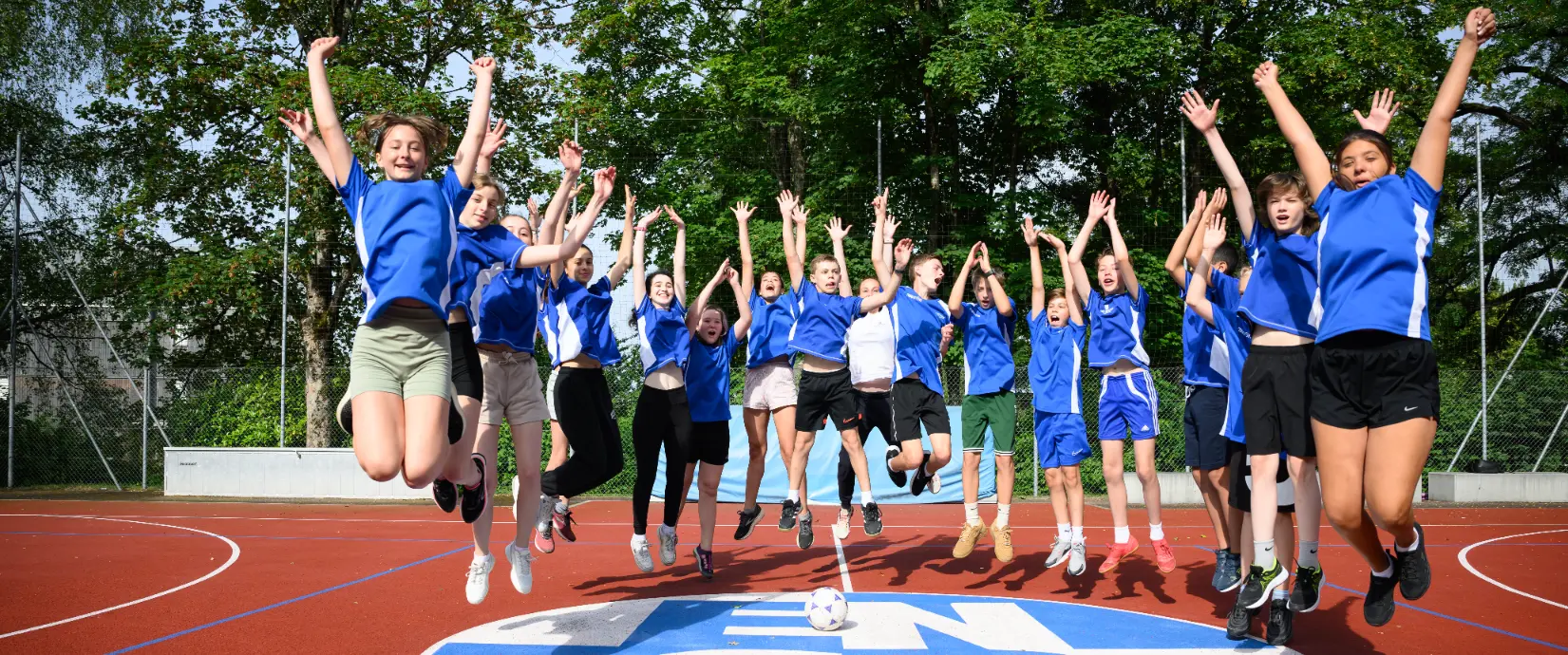
Extracurricular activities play a fundamental role in modern education by offering students opportunities for learning and development outside the traditional academic setting. In our private school in Lausanne, these activities are designed to enrich the educational experience, promote personal and social development, and develop essential skills for the future. But what exactly do they consist of, and why are they so important? This article explores the benefits of extracurricular activities and their impact on students.
1. What is an extracurricular activity?
An extracurricular activity is an activity organised outside of academic classes. It can be sporting, artistic, cultural or social. Unlike after-school activities, which generally involve childcare or practical tasks such as homework help, co-curricular activities aim to develop specific skills and encourage personal development. Examples of common extracurricular activities at a school include:
- Theatre or visual arts
- Physical and sporting activities in all their diversity
- Music, such as learning to play an instrument
- Science or robotics clubs
- Environmental initiatives
To learn more about other aspects of our educational approach, read our article on the ENSR's individualised learning experience.
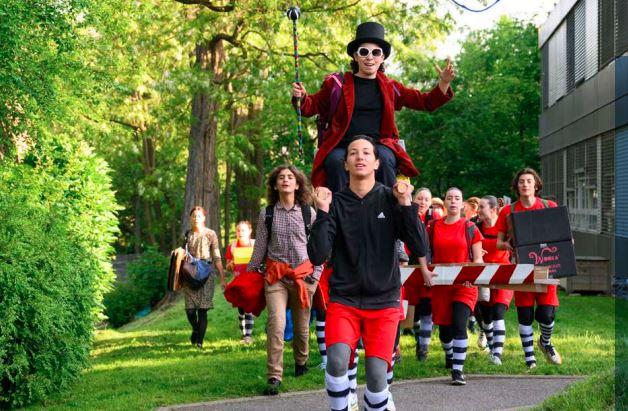
2. Promote personal development
The extracurricular activities allow students to discover and develop their talents and passions. Whether it's playing on a sports team or participating in a debate competition, these experiences help students better understand their strengths and interests. In our private school in Lausanne, students have access to a wide range of activities to cultivate their creativity, critical thinking, and self-confidence. These opportunities allow them to step outside their comfort zone and acquire skills that will serve them well throughout their lives.
3. Encourage social development
Extracurricular activities also provide an ideal setting for developing social skills. Participating in group activities, such as sports or clubs, helps students develop qualities such as cooperation, communication and leadership. Regular interactions with their peers in a non-academic setting enable them to learn how to manage interpersonal relationships, resolve conflicts and work effectively in a team. These social skills are essential, both in their personal and professional lives. To learn more about the importance of social relationships in education, read our article on the inclusive environment for students at our Swiss private school.
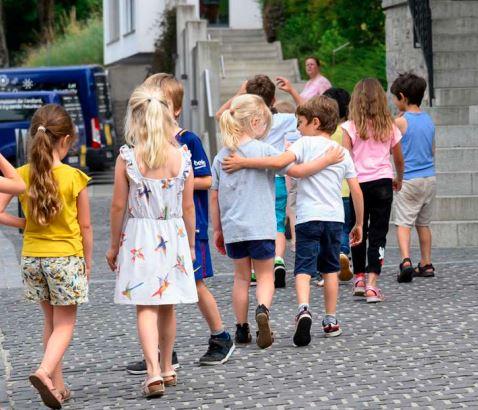
4. Improve physical and mental health
Extracurricular activities, especially sports, help keep students physically healthy while reducing stress and improving their mental well-being. Students who regularly participate in sports tend to cope better with academic pressures, be more focused, and have higher self-esteem. In our private school in Lausanne, we encourage students to participate in a variety of sports activities to promote a balanced and healthy lifestyle.
5. Strengthening academic success
Contrary to what some people might think, extracurricular activities can also improve academic performance. Students who participate in these activities develop organisational, time management and discipline skills, which help them to better manage their academic responsibilities. In addition, these activities often stimulate students' motivation and engagement, which can lead to improved academic performance.Extracurricular activities are not simply supplements to education; they are an essential extension of it. They enable students to develop personal, social and academic skills, while promoting their overall development. In our private school in Lausanne, we firmly believe in the importance of these activities in helping each student reach their full potential.
Are you looking for a private school in Lausanne with a worldwide reputation?
Contact ENSR for further information.
FAQ
What is the difference between after-school and extracurricular activities?
After-school activities mainly involve homework assistance and childcare, while extracurricular activities aim to develop specific skills and enrich the educational experience.
What are after-school activities?
After-school activities include services such as supervised study, academic support, and recreational clubs at the end of the day.
How to organise an extracurricular activity?
An extracurricular programme can be set up by identifying students' interests and offering appropriate activities such as clubs, workshops or competitions.
What are the benefits of extracurricular activities?
Extracurricular activities promote personal development, social skills, physical and mental health, and can even improve academic performance.